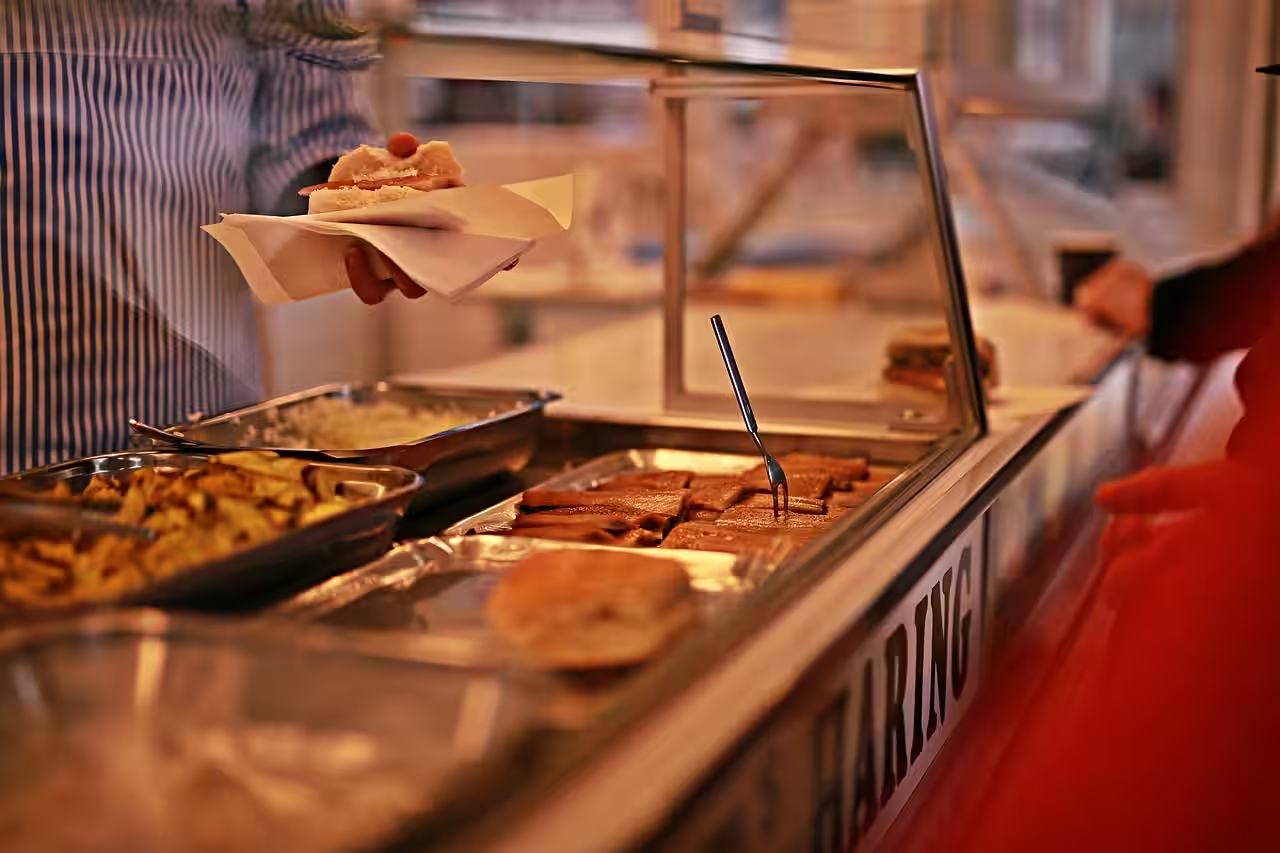
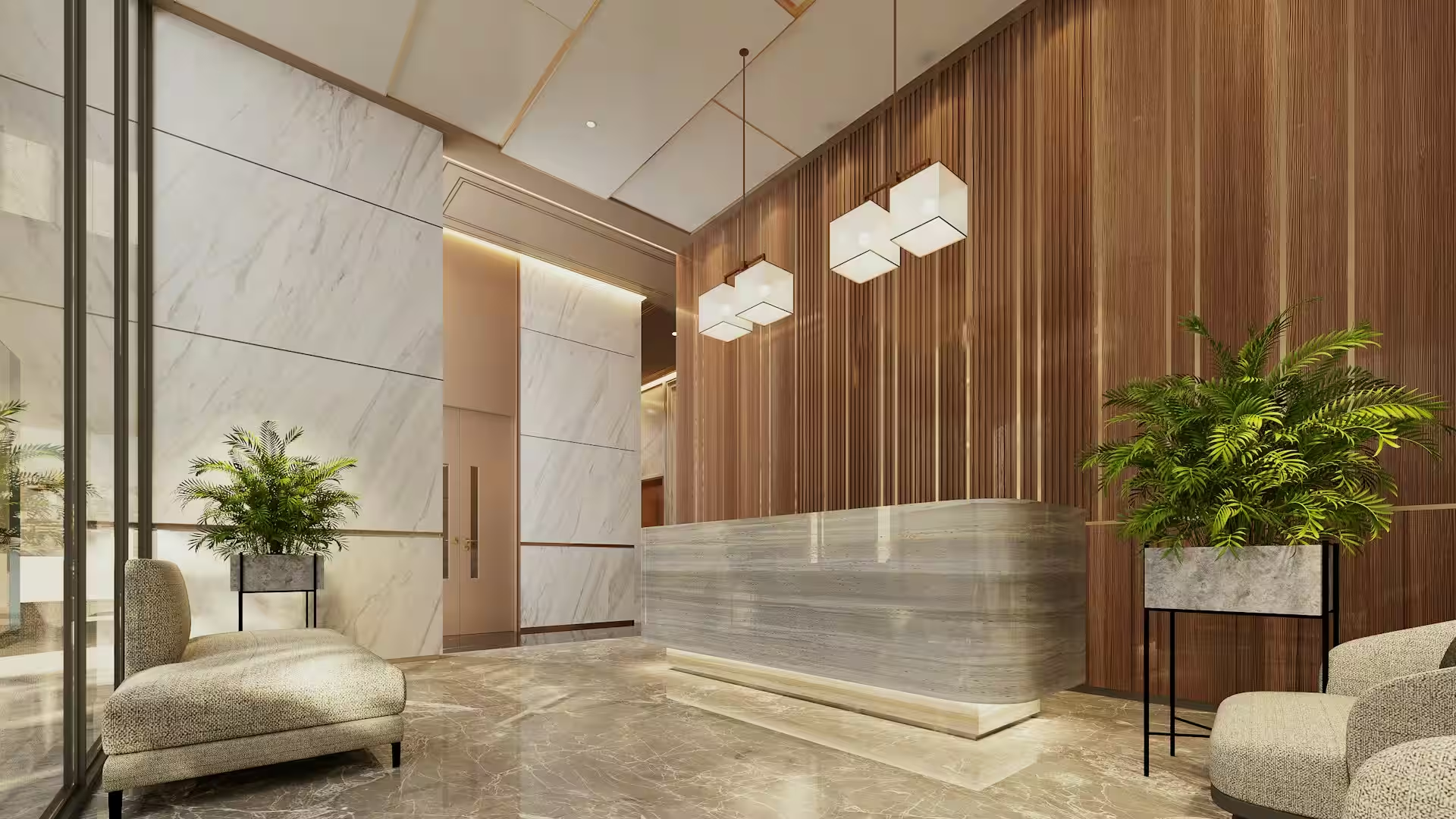
Everyone has a restaurant idea. Very few people have a restaurant concept.
The difference isn't just cosmetic. An idea is a cuisine, an ambiance, a menu you'd like to offer. A concept is a coherent system that answers a specific question: why would someone come here instead of somewhere else, at what time, for what budget, and why would they come back.
What is a restaurant concept?
A restaurant concept is the coherent translation of a customer promise into an operating system. It is judged by its ability to be understood by a customer in ten seconds, and to be executed every day by a team.
In concrete terms, a concept consists of six elements that must all communicate the same thing:
- The offer. What you serve, the breadth of the menu, and your signature style.
- The price. The target average check and the pricing structure that leads to it.
- The location. The site, the square footage, the number of seats, and the layout.
- The experience. The design, the atmosphere, the music, and the pace of service.
- The service. The operating model: table service, counter service, self-service, or shared plates.
- The brand. The name, the visual identity, the tone, the story the space tells.
If any of these six elements contradict the others, the customer won't understand where they are. Counter service with a gourmet menu, high-end decor with a twelve-euro average check, a promise of speed with made-to-order cuisine: these are inconsistencies that immediately take a toll on foot traffic.
Concept, positioning, and brand identity: don't confuse them
These three concepts are constantly being mixed up in the briefs we receive.
The positioning is a strategic decision: who you are targeting, who you are competing against, and your price point. It’s a single sentence.
The concept is the system that executes that positioning. It is a complete framework, from technical specifications to the floor plan.
Thebrand identity is the layer of expression: name, logo, art direction, tone. It dresses the concept; it does not replace it.
The most common mistake is starting with the brand identity. People work on a beautiful name and graphic charter for a concept that has no economic viability. The result is a very photogenic place that loses money.
Why is a good restaurant concept judged first by its location?
This is the point we insist on the most, because it determines everything. A concept does not exist in a vacuum. It exists within a catchment area, facing specific competition, in front of a specific flow of people passing by at specific times for specific reasons. The same concept, just five hundred meters away, can be a success or a failure.
This means the correct work sequence is: first the area, then the concept. Not the other way around. An entrepreneur who arrives with a fully formed concept and starts looking for a space is at a significant disadvantage, because they will inevitably end up forcing their idea into a location that isn't right for it.
Restaurant concept categories that are working today
Rather than a catalog of ideas, here are the economic logics driving successful concepts. Each one addresses a different constraint.
Mono-product and hyper-specialized concepts
The principle: do one thing and do it better than anyone else. Sandwiches, premium burgers, rotisserie, fresh pasta, chicken, waffles, specialty coffee.
The benefits are threefold. The brand identity becomes instantly clear, which cuts marketing effort tenfold. Operations are radically simplified: focused purchasing, reduced inventory, short training periods, and reproducible execution. And the model is scalable, making it the preferred territory for chains and franchises.
The limitation is exposure to trend-based risks and the difficulty of getting a customer to return more than once or twice a week. A mono-product business relies on a constant influx of new customers or a visit frequency that it must carefully cultivate.
Hybrid concepts and lifestyle venues
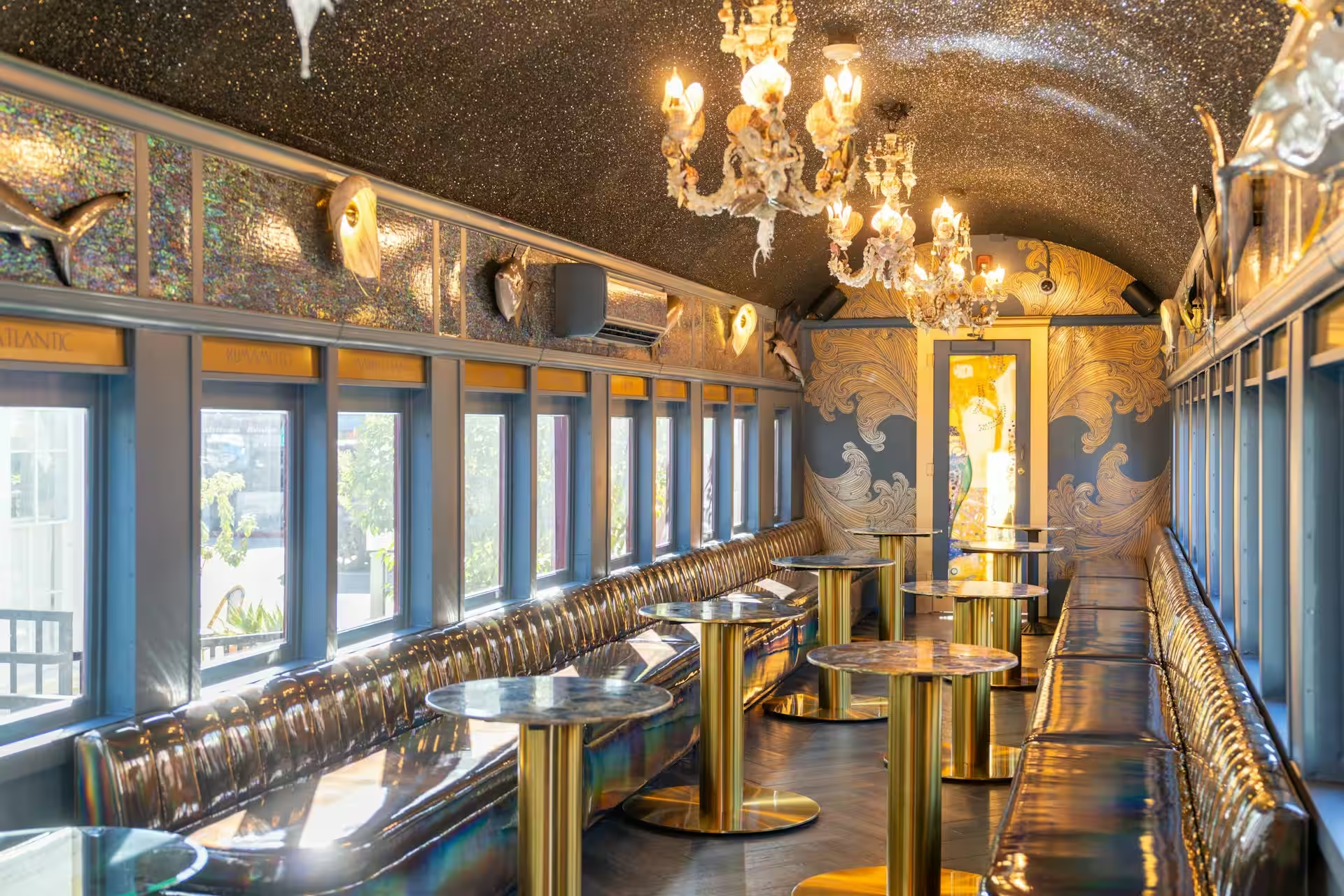
This is the most dynamic category today, and the one that most interests property developers, hoteliers, and site operators. The principle is to refuse to do just one thing. Restaurant and gourmet grocery. Restaurant and retail. Coffee shop in the morning, coworking space in the afternoon, bar in the evening. Or, on a larger scale, venues that bring together accommodation, dining, fitness, wellness, coworking, and events under one roof.
The economics of the model are very different. The goal isn't to maximize table turnover; it's to multiply the reasons to visit, the reasons to stay, and the opportunities to spend. A customer captured at breakfast becomes a lunch customer, then an after-work customer. Revenue per square meter increases because the square footage is working all day long.
It is also the most demanding family in terms of design. It requires careful consideration of traffic flow, time-based transitions, modular furniture, and a team structure capable of switching between uses without any downtime. If poorly executed, a hybrid space becomes a space without an identity.
The curated food hall follows the same logic on a collective scale: instead of lining up chain brands, we select complementary independent concepts with a collective pulling power and shared spaces. It is the premium evolution of the food court, and it is a programming profession in its own right.
Experiential and destination restaurant concepts
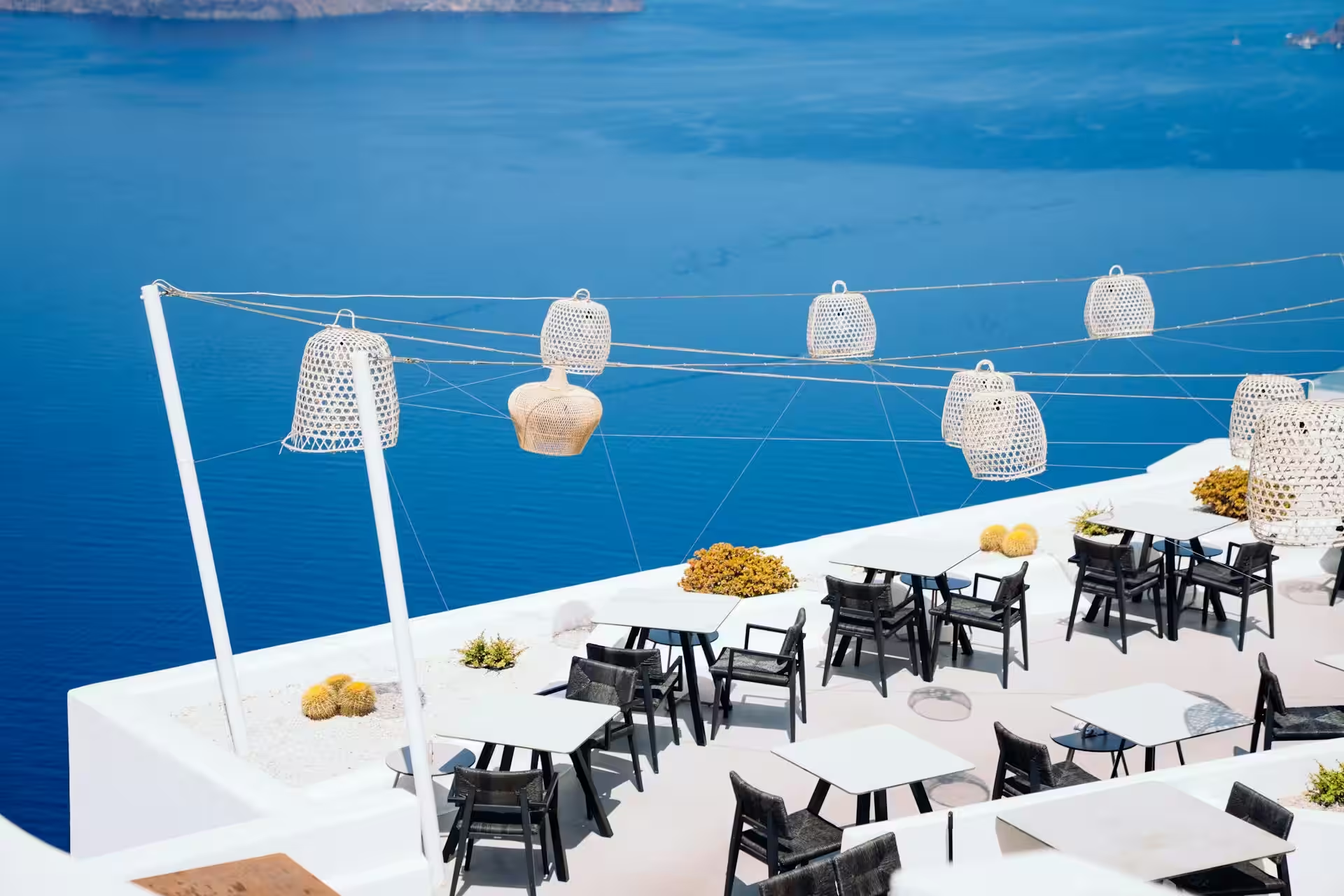
Here, the main promise is not the meal, but everything surrounding it. Immersive restaurants, themed venues, unusual locations, tables that are spectacular due to their setting, and concepts that blend dining with gaming, culture, or leisure. These concepts have a rare advantage: They create their own foot traffic. Customers travel to them, which partially eases the constraints of location.
They have two symmetrical weaknesses. The initial investment is high because the experience must be truly compelling. And the return frequency is low: people come once, maybe twice. The model therefore relies on a constant stream of new customers, which requires sustained media and social exposure, or a location with a very high turnover of people, such as a tourist area.
A fourth category deserves mention—more discreet, but very solid: reactivation concepts. Rather than inventing a new venue, you take over an address that has a history, residual brand awareness, and local attachment, and you bring it up to date. The advantage is significant: the brand already exists in people's minds. It is a largely underexploited path, even though it dramatically reduces customer acquisition costs.
Building your restaurant concept: the 7-step method
Study the catchment area before having the idea
Start with the ground reality, not with your personal desire. The goal is to precisely document: the volume and nature of foot traffic, its hourly and weekly distribution, the reasons for visiting, the composition of the clientele (residents, workers, and visitors), purchasing power, and the existing supply within walking distance.
This step produces a map of gaps. This is where the concept should be born. A neighborhood saturated with fast food and lacking evening options does not need an eleventh lunch-only format, no matter how good it is.
Building the offering, the menu, and the pricing structure
The concept materializes in the menu. Three principles hold true in most cases:
- A short menu. It reduces inventory, waste, training time, and execution gaps. It also makes the concept easy to understand.
- An average check that is built, not just accepted. Pricing architecture must be designed to naturally guide the customer toward the target check amount through product bundling, set menus, and add-ons.
- Food cost calculated per portion, right from the design phase. A recipe whose food cost hasn't been verified before opening is a ticking time bomb.
Translating the concept into a space, workflows, and an experience
This is where many projects lose their coherence. Design is not just a decorative layer; it is an operational tool.
The layout determines the number of covers served per hour. The kitchen's position determines service times. The customer journey determines flow during peak hours. Acoustics and lighting determine the length of the visit, and therefore the turnover rate.
A well-designed space mechanically generates margin. A poorly designed space forces you to compensate for it forever with extra staff.
The following steps complete the sequence:
- Right-sizing the organization. Staffing grids by time slot, job descriptions, service procedures, and training plans.
- Building the brand. Name, art direction, tone of voice, signage, and collateral. Once, and only once, the concept and its economics are solid.
- Finalizing the financial plan. Capital expenditure, operating forecasts, break-even point, and a twenty-four-month cash flow projection.
- Testing before opening. See the following section.
Restaurant concepts: the most costly mistakes
Developing the concept before the location
We keep coming back to this because it is the number one cause of failure, by a long shot. A concept developed in the abstract and then forced into an available space is a concept that will need to be fixed after opening, once the construction is paid for and the lease is signed.
The symptom is easy to spot: the project owner talks about their food and atmosphere for twenty minutes without once mentioning who is walking past the front door.
A concept that is too broad and confusing for the customer
The fear of losing customers leads to over-broadening. You add a kids' menu, a vegetarian option, pizzas because they sell well, and a Sunday brunch. Each addition seems reasonable on its own.
The cumulative result is a place that no longer stands for anything. Customers don't know why they should come, the kitchen loses focus, inventory costs skyrocket, and the establishment becomes invisible in a market where only clear, distinct positioning stands out.
The other most common mistakes:
- An average check that is incompatible with the local area's purchasing power. It is a simple, unforgiving matter of arithmetic.
- Prioritizing design over workflow. You create a beautiful space, only to discover that service grinds to a halt during peak hours.
- Underestimating operating costs beyond food and beverage. Energy, maintenance, insurance, taxes, and fees. In the restaurant business, these are the line items that derail an optimistic forecast.
- Failing to plan for renewal. A concept is not eternal. Concepts that last have planned how they will evolve over three to five years.
This requirement is not just theoretical. The benchmark sector study by INSEE on this breakdown documents a massive renewal of the sector: according to INSEE Focus No. 34, based on the Ésane system, one-third of the catering businesses present in 2012 did not exist in 2009.
The proportion of businesses that survived for three years stood at 68% in traditional restaurants, and only 54% in fast food. These data refer to the 2012 fiscal year and serve as a structural order of magnitude, but they highlight something that has not changed: in this business, the failure rate is high, and it is almost always correlated with a flaw in the initial concept.
At the time, INSEE measured the sector at 159,124 legal entities, 438,528 full-time equivalent employees, and 47.7 billion euros in turnover, dominated by very small businesses, which accounted for 93% of units and 56% of turnover.
How to test your restaurant concept before opening
This is the step that almost no one takes, and it is the one that offers the best return on investment. A real-world test costs a few thousand euros. A failed opening costs several hundred thousand, not including the lease.
Test formats that work:
- Pop-ups or temporary residencies. A few weeks in an existing space with a limited menu. This allows you to measure the actual average check, product preferences, service speed, and customer feedback.
- Food court or food hall stalls. An ideal format for testing a restaurant concept in real-world conditions with limited investment and guaranteed foot traffic. It is also an excellent entry point for validating a concept before opening a standalone unit.
- Delivery-only kitchen service. Useful for validating a menu and food costs, with the important caveat that delivery does not provide insight into physical foot traffic. You are testing the product, not the concept.
- Event or catering service. Allows you to validate production and product reception with a real audience, without needing a fixed location.
- Soft opening with limited service. Open for just one service, a short menu, and limited hours, then expand. This allows you to train the team and refine workflows before scaling up.
What a test should produce is not compliments. It should produce three figures: the actual average check, the number of covers served per hour during peak times, and the real food cost once waste is factored in. If these three figures validate your projections, the concept is ready. If not, it must be adjusted before signing.
Hiring a consulting firm for your restaurant concept
We step in when a project goes beyond just the culinary aspect: when you need to choose between several formats for the same asset, plan the food service for a public venue, reposition an existing offering, or secure a large-scale opening.
Our approach combines operations and real estate, because these two dimensions together determine the result. In practical terms, this ranges from positioning studies and local competitor analysis to concept development, menu and pricing strategy, as well as workflow design, art direction, team organization, and pre-opening support.
If you are developing a restaurant project, have a space to program, or an asset to enhance through food and beverage, let's talk.