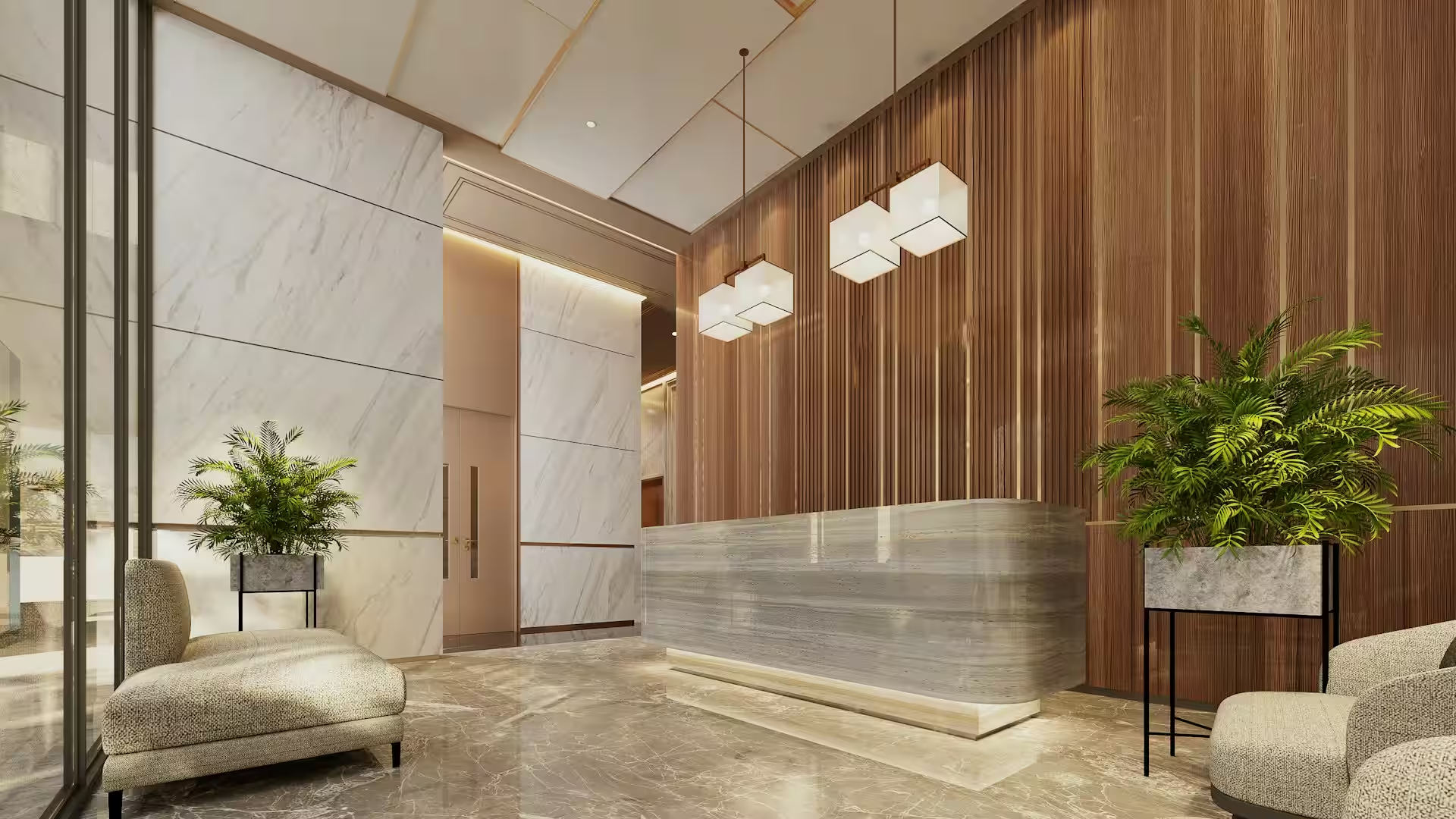
The logic of the hotel industry has shifted. The room is no longer the core product: travelers now buy into experiences, communities, and lifestyles. In this new landscape, F&B, wellness, and the social dimension carry as much weight, if not more, than the accommodation itself.
This evolution is reshaping the sector around five emerging hotel concept typologies, which we break down below.
Why the classic hotel concept is giving way to new formats
For a long time, the hotel promise was summed up by a simple triptych: a bed, a service, a star. This model is running out of steam in the face of a clientele seeking a seamless, end-to-end experience, where the customer experience, from welcome to plate, becomes the true differentiator.
The wellness sector perfectly illustrates this shift: according to the Global Wellness Institute, the wellness economy is expected to approach €1 trillion by 2026-2027—a dynamic that is pushing more and more high-end establishments to integrate wellness as a pillar of their concept, rather than just an ancillary service.
The result: hotel groups, lifestyle brands, and retail players are now investing in hybrid formats at the crossroads of hospitality, dining, and wellness. Here are the five typologies driving this transformation.
1. Hospitality homes
New private homes with hotel services are reinventing the premium stay. Concierge services, private chefs, and bespoke experiences: here, the intimacy of a home meets the standards of luxury hospitality.
An example? Players like Le Collectionist, Iconic House, or Weeks Off are transforming the villa into a true hospitality product.
For the guests? They find the warmth and freedom of a private home, enriched by the hallmarks of luxury: attentive service, privacy, and tailor-made experiences.
In this format, the private chef and bespoke culinary programming become a pillar of the promise—a logic similar to that found in the structuring of F&B concepts in hospitality, where the identity of the venue is also built through its menu.
2. Heritage hospitality
Historic sites are becoming experiential destinations. Heritage is no longer just preserved; it becomes a full-fledged hospitality and gastronomic asset.
An example? Esprit de France, Les Vaux-de-Cernay, or l'Hôtel du Couvent showcase rare locations and tell a story rooted in their local terroir.
For the guests? Travelers are now looking for authentic destinations: unique places where heritage, gastronomy, and hospitality tell a story.
3. Retail brands turning into hoteliers
Premium brands are now extending their reach into the hospitality sector. Hotels are becoming immersive spaces where product, design, and F&B tell the brand's story.
An example? Caudalie, L'Occitane, and Louis Vuitton are using the hotel industry as a physical extension of their identity.
For the guests? You no longer just book a room: you fully experience the brand's world, from the design down to the service.
This trend illustrates a fundamental shift that is also being seen infood marketing : dining is becoming a brand-building tool in its own right, far beyond its primary function of providing food.

4. Wellness hotels, for reconnecting with yourself
In the ultra-luxury segment, some wellness hotels are specializing in personalized support tailored to client needs: weight loss, digital detox, or mental well-being.
An example? Sha Wellness embodies this in its F&B offerings with weight-loss programs, Unplugged offers a digital disconnect, and Euphoria Retreat in Greece focuses on spiritual programs.
For the guests? You take care of yourself in a setting designed for it. F&B offerings are complemented by the nutritional needs of guests—a requirement for consistency that directly aligns with the customer journey challenges found in traditional dining. The global wellness hotel market is expected to grow from approximately $17 billion in 2026 to nearly $37 billion by 2035, driven by a clientele seeking stays that are as much about prevention as they are about restoration.

5. Hotel villages
Villages, hamlets, and isolated estates are being reinvented as true hospitality destinations. Following the Italian "Albergo Diffuso" model, these locations blend accommodation, gastronomy, wellness, and local experiences to create genuine ecosystems.
An example? Castelfalfi, Borgo Santo Pietro, and Corippo Albergo Diffuso are integrated into entire villages, creating a synergy between local regions and experiential destinations.
For the guests? Travelers are looking for complete destinations: isolated places where they can stay, recharge, eat well, and live at the rhythm of the local area. This model addresses a challenge also found at the urban level, where dining serves as a lever to revitalize a city center : in both cases, F&B becomes the tool that transforms a territory into a lived-in destination.
What these five typologies have in common
Beyond their specific features, these five typologies share a common foundation: they respond to a customer demand that has evolved profoundly. F&B and wellness are no longer add-ons, but structural pillars of the hotel concept.
For hoteliers and operating groups, the challenge is no longer just selling room nights, but building a brand world and a coherent lifestyle, from the F&B concept to the experience lived on-site. This is precisely the support Tomorrow Food offers hotel groups, through the creation of dining concepts that embody the identity of the venue.
Are you developing an F&B concept for a hotel or a hybrid living space? Let's talk about your project.