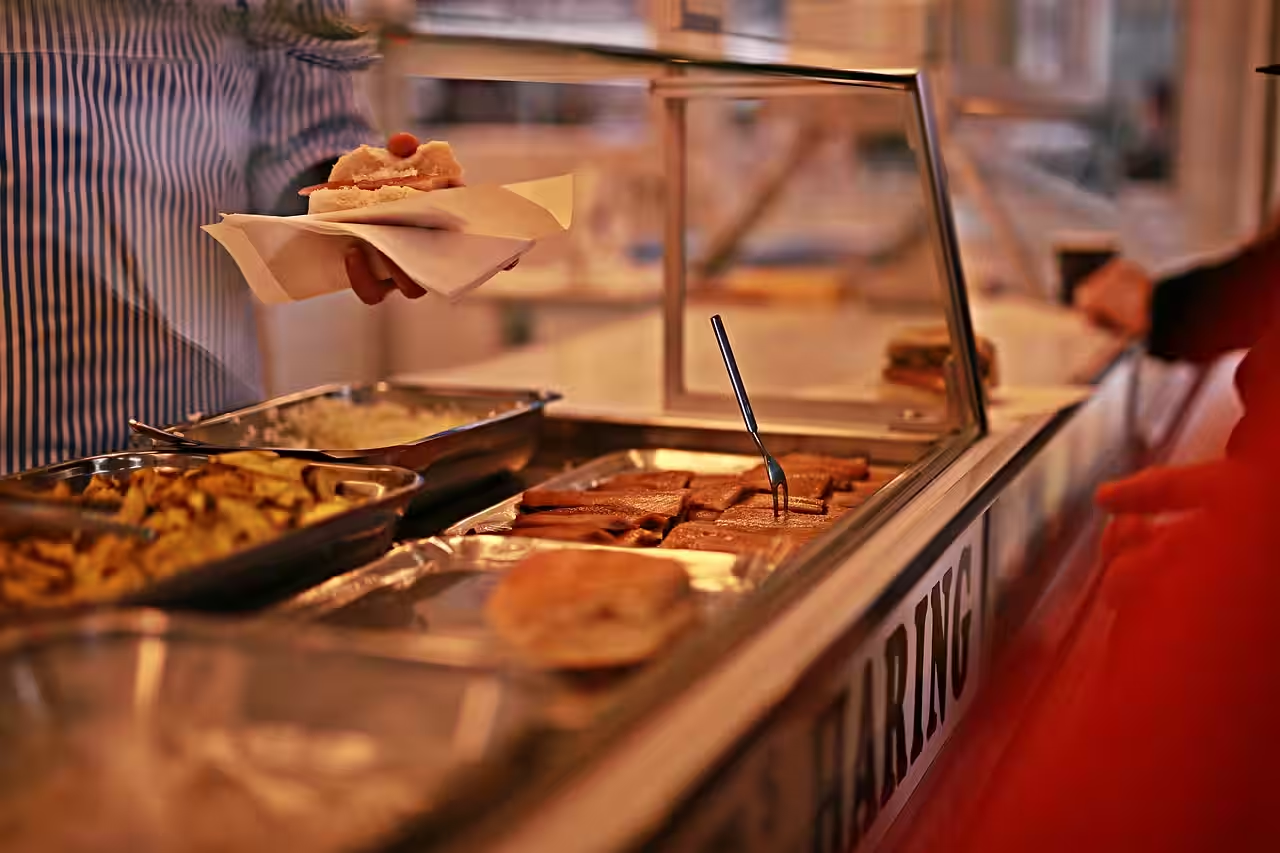
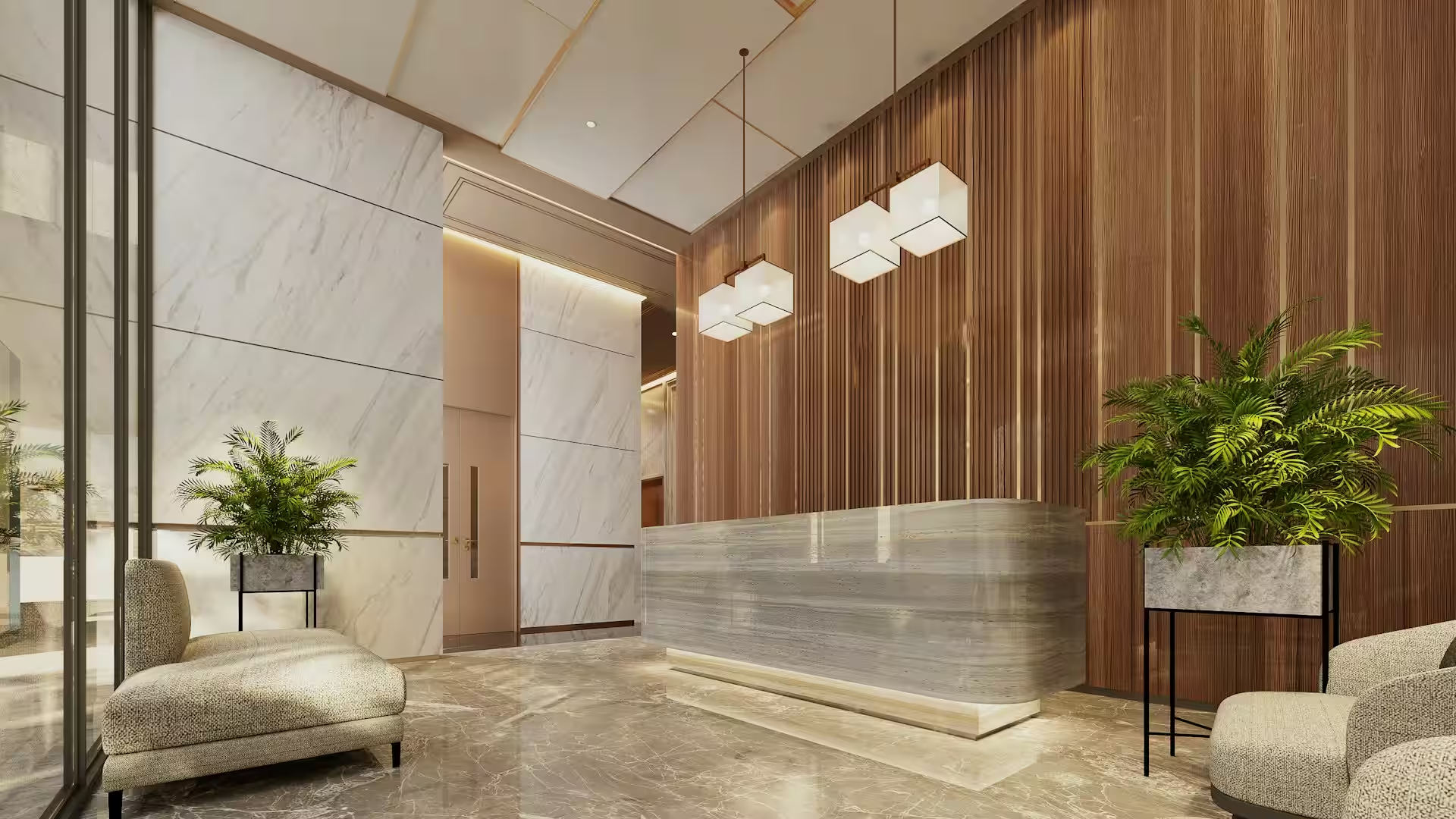
In 2023, theAbbaye des Vaux-de-Cernay reopened following a major transformation. The estate now features 144 rooms, suites, and cottages, four restaurants, two bars, a spa, and a wide range of activities. The Réfectoire des Moines, the estate's dining venues, and the reception areas are not merely secondary services: they provide a rhythm, an identity, and compelling reasons to visit the property.
The momentum continues in 2026. The Château la Commaraine opened in Pommard with 37 rooms and suites, a spa, and two dining options. The Château de Cîteaux inaugurated its first phase in Meursault on July 24, 2026. The Château du Portereau now welcomes visitors to Vertou with 26 rooms, a restaurant, a guinguette, and a spa.
These projects are part of a significant heritage context. The Ministry of Culture monitors the conservation status of over 45,000 buildings protected as historical monuments. For some of these assets, hospitality can generate recurring revenue and fund maintenance. But the beauty of a building is not enough to build a profitable destination.
In a castle-hotel, food and beverage, or F&B, often plays a central role. It attracts a local clientele, extends stays, tells the story of the region, and brings the estate to life throughout the day.
Heritage conversion: a structural trend with castle-hotels
Conversion involves:
- Castles
- Abbeys
- Wine estates
- Former healthcare facilities
- Industrial buildings
Hospitality groups seek out these assets because they offer a unique identity that is difficult to replicate and allow for a premium positioning.
This appeal also addresses a need for preservation. The costs of roofing, structural work, compliance upgrades, and landscaping often exceed the resources generated by simply opening to the public on an occasional basis. Hospitality and dining can diversify revenue, provided that the scale of the work and the time required to ramp up operations are not underestimated.
Heritage is therefore a competitive advantage, but also a permanent constraint. Every operational choice must respect the building while allowing the site to function as a modern business.
Why F&B is the cornerstone of a successful conversion for castle hotels
Rooms are no longer enough to attract guests
A castle transformed into a hotel can be alluring due to its architecture, grounds, and rooms. However, in a rural or wine-growing area, demand for accommodation alone is rarely consistent throughout the year. The restaurant, bar, tastings, and events make it possible to reach customers who are not staying on-site.
F&B can thus become an independent revenue driver and provide support during periods when hotel occupancy is lower. This logic aligns with approaches where dining serves as an alternative to hotel renovations focused solely on rooms: it creates a new reason to visit the site even before staying there.
The restaurant gives the venue its identity
An empty heritage building remains just a backdrop. A restaurant that highlights local produce, the kitchen garden, the vineyard, or the estate's history transforms that backdrop into a story. F&B bridges the gap between architecture and a contemporary experience: dining in a former refectory, tasting the estate's wines, or building a menu around local producers.
This narrative must not feel artificial. It should be reflected in the products, service, spaces, and price point. This is the challenge of food marketing applied to a heritage site: creating a culinary promise that is credible, recognizable, and rooted in the local area.
F&B structures the estate's rhythm
Breakfast, lunch, afternoon tea, aperitifs, dinner, and events attract different audiences and utilize different spaces. A cohesive program helps manage foot traffic, increase time spent on-site, and ensure the château isn't only active during guest arrival and departure times.
The most successful projects build a form ofplural hospitality : several complementary offerings, all organized around a single identity. Increasing the number of points of sale is only valuable if each one serves a specific purpose.

Four 2026 château-hotel projects that embody the trend
Château la Commaraine: the vineyard as a common thread
Opened in Pommard, the Château la Commaraine combines 37 rooms and suites, a spa, a wine estate, and two restaurants. Le Clos adopts a lively bistro approach, while Le VIII develops a gastronomic offering directly linked to the vineyard's plots and soils.
The project does not treat wine as a secondary activity. Accommodation, dining, the cellar, tastings, and exploring the estate all contribute to a unified interpretation of Burgundy. The region becomes the narrative architecture of the stay.
Château de Cîteaux: a gradual opening
The Château de Cîteaux opened in Meursault on July 24, 2026, under the Fontenille Collection banner. The first phase includes 18 rooms and suites, a restaurant, and a spa. An expansion is announced for 2027.
This phased opening allows operations to be established before deploying full capacity. The restaurant, wine, and Cistercian cellars give the project an identity intrinsically linked to the Côte de Beaune, rather than a generic boutique hotel positioning.
Château de Sacy: the importance of the operator
In April 2026, Michel Reybier Hospitality acquired the Château de Sacy in Champagne. Le domaine comprend 12 chambres et s'inscrit dans un paysage viticole très identifié.
Cette acquisition rappelle qu'un actif patrimonial ne se valorise pas seul. La capacité de l'opérateur à articuler hébergement, restauration, vin, commercialisation et qualité de service est déterminante. Le bâtiment crée le potentiel, mais l'exploitation transforme ce potentiel en destination.
Château du Portereau : plusieurs usages dans un même domaine
À Vertou, le Château du Portereau associe 26 chambres, un restaurant, une guinguette, une orangerie et un espace de bien-être. Le projet vise plusieurs publics : clients hébergés, habitants de la métropole nantaise, entreprises et visiteurs de passage.
Cette diversité peut lisser la saisonnalité et augmenter les occasions de visite. Elle exige toutefois une programmation lisible pour éviter que les offres ne se concurrencent ou ne diluent le positionnement du château.
Quatre modèles de château-hôtel et leur approche F&B
Le domaine-destination
Le domaine-destination dispose d'une capacité hôtelière importante, de plusieurs points de restauration et d'activités variées : spa, sport, famille, événements ou séminaires. Le F&B doit fonctionner comme un portefeuille cohérent de lieux, avec des niveaux de prix et des ambiances complémentaires.
Ce modèle peut créer une destination complète, mais il concentre aussi les besoins en investissement, en recrutement et en pilotage. La coordination entre les offres est aussi importante que la qualité de chacune.
L'hôtel-vignoble
Dans l'hôtel-vignoble, le vin structure l'expérience. La table, les dégustations, les visites et les événements prolongent l'identité de l'appellation. Le restaurant peut travailler les accords, le rythme des saisons et les produits du territoire.
Le principal risque est de limiter la cible aux seuls amateurs avertis. Le projet doit rester accessible à plusieurs niveaux de connaissance, tout en conservant une légitimité œnologique forte.
Le château de charme
Le château de charme dispose généralement d'une capacité plus réduite et d'une table signature. Le restaurant devient son principal levier de notoriété locale et nationale. Il peut attirer une clientèle extérieure, soutenir les événements et justifier un positionnement tarifaire élevé.
La difficulté consiste à calibrer une offre ambitieuse pour un volume limité de chambres. La clientèle locale, les événements et les partenariats touristiques deviennent alors essentiels à l'équilibre.
Le tiers-lieu patrimonial
Le tiers-lieu patrimonial utilise la gastronomie comme moteur d'un programme plus large : halles, formation, culture, commerces, événements ou hébergement. Ce modèle est souvent lié à une stratégie publique d'attractivité territoriale. Il doit donc combiner objectifs économiques, culturels et urbains sans perdre la lisibilité de l'exploitation.

Les contraintes d'un projet F&B en lieu patrimonial
Les procédures varient selon que le bâtiment est classé, inscrit ou situé dans les abords d'un monument historique. Pour certains permis portant sur un immeuble inscrit, le délai d'instruction peut atteindre cinq mois. Ces délais doivent être intégrés au calendrier avant toute annonce d'ouverture.
La création ou la modification d'un établissement recevant du public suppose également des autorisations liées à l'urbanisme, à l'accessibilité et à la sécurité incendie. Les démarches sont précisées par le portail officiel consacré aux ERP.
Les contraintes techniques influencent directement le concept F&B : extraction, puissance électrique, acoustique, livraisons, stockage, traitement des déchets, accessibilité et circulation du personnel. Dans un bâtiment ancien, chaque solution peut affecter la structure ou le décor protégé.
Enfin, les aléas de chantier et les découvertes en cours de travaux imposent des marges budgétaires. Le concept de restauration doit être conçu avec l'architecte, l'exploitant et les spécialistes du patrimoine dès les premières études, pas ajouté une fois le projet immobilier arrêté.
Huit questions avant de se lancer
Tout lieu patrimonial n'a pas vocation à devenir un château-hôtel. Huit questions permettent de tester l'adéquation entre le bâtiment, le territoire et le modèle d'exploitation.
1. Compatibilité technique. Le bâtiment peut-il accueillir une cuisine, des extractions, des livraisons et les réseaux nécessaires sans dénaturer sa structure ?
2. Accessibilité. La route, le stationnement et les transports correspondent-ils aux clientèles visées et aux rythmes d'exploitation ?
3. Marché local. Le bassin touristique et résidentiel peut-il alimenter le restaurant en dehors des seuls clients hébergés ?
4. Saisonnalité. Combien de mois et de jours par semaine chaque offre peut-elle fonctionner dans des conditions réalistes ?
5. Positionnement. Le concept F&B raconte-t-il réellement l'histoire, le terroir ou la vocation du lieu ?
6. Opérateur. Une équipe capable de gérer simultanément l'hospitalité, la restauration et les contraintes patrimoniales est-elle identifiée ?
7. Cadre réglementaire. Les autorisations, délais d'instruction et obligations ERP sont-ils intégrés au planning et au budget ?
8. Trajectoire financière. Le projet peut-il absorber les travaux, la montée en puissance et le renouvellement de l'offre sur plusieurs années ?
L'approche de Tomorrow Food pour les projets patrimoniaux comme les châteaux-hôtels
La reconversion d'un lieu patrimonial se joue à l'intersection de l'immobilier, de l'exploitation et de l'identité territoriale. La programmation F&B doit être suffisamment ambitieuse pour créer une destination, mais assez précise pour rester exploitable.
Tomorrow Food intervient sur l'étude de potentiel, le positionnement, la programmation des points de restauration, l'architecture des moments de consommation et la recherche d'opérateurs. Cette expertise s'inscrit dans ses hospitality and F&B consulting assignments.
Our belief: F&B is not just an add-on service for a castle hotel. It is the engine that transforms a restored heritage site into a vibrant, popular, and economically viable destination.
Contact Tomorrow Food to assess the F&B potential of your heritage property and structure its redevelopment.