A regional development plan is no longer limited to a zoning document or a master plan. For a local authority, a property company, or a developer, it is the roadmap that must answer a simple question: what will give this area a reason to exist for those who live, work, or pass through it? Food and beverage, long treated as a minor programming detail, deserves a much more strategic role.
What is a regional development plan, and what is the role of food and beverage?
A regional development plan formalizes the medium- to long-term development vision for a community or a site: what uses, what balance, and what identity for the years to come? It generally addresses issues of housing, mobility, the local economy, and quality of life.
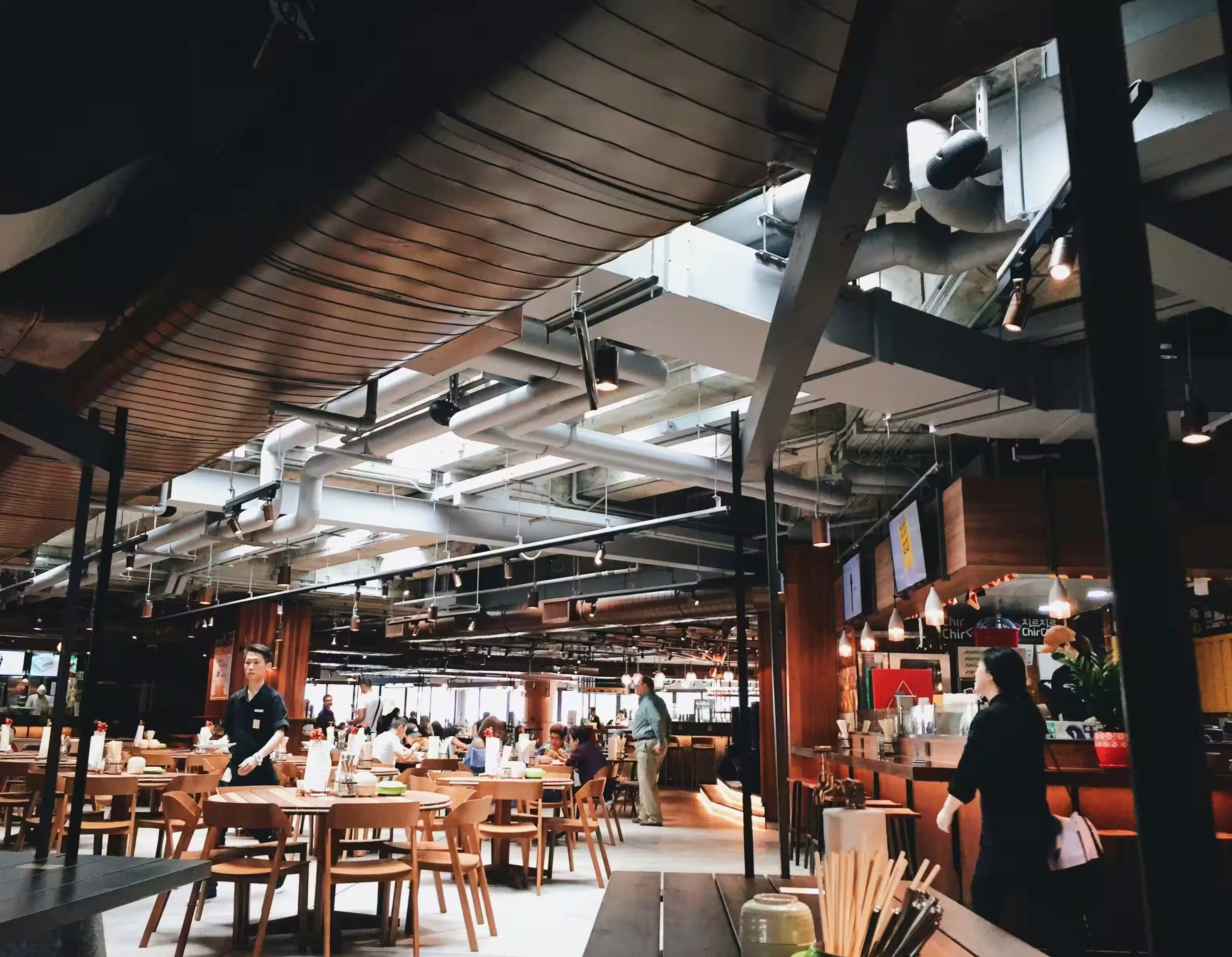
Food and beverage is too often absent from the initial stages of planning, relegated to a checkbox in the retail program. Yet, it is one of the few uses capable of simultaneously meeting several objectives of a regional development plan: generating foot traffic, fostering social connection, and giving a tangible identity to a place in the making.
Why food and beverage must be at the heart of any regional development plan
Retail vacancy is rising in many city centers, e-commerce is capturing an increasing share of daily shopping, and residents are looking for reasons to go out that traditional retail can no longer provide. We detailed this dynamic in our article on food and beverage as a lever for regional attractiveness: and what applies to attractiveness applies just as much to building a regional development plan as a whole, since the two are inseparable.
A regional development plan that ignores food and beverage risks creating an out-of-touch offering, disconnected from the actual needs of its residents.
Case studies to inform your regional development plan
Several examples, both in France and across Europe, demonstrate what can be achieved when food and beverage is conceived as a full-fledged regional development project rather than just a way to fill vacant units. The Time Out Market in Lisbon is a well-known illustration: a struggling former municipal market transformed into a food hall, which has become one of the city's most visited destinations and a model that has since been adopted in several other European capitals.
In France, we have observed a similar dynamic, on a different scale, with Boom Boom Villette, the largest food market in Paris:a site conceived from the outset as a living space driven by dining, rather than just a collection of adjacent shops. This type of textbook case, provided it is used to develop a reproducible method rather than a copy-paste recipe, directly informs how a regional development project can integrate dining.
The method for integrating dining into your regional development project
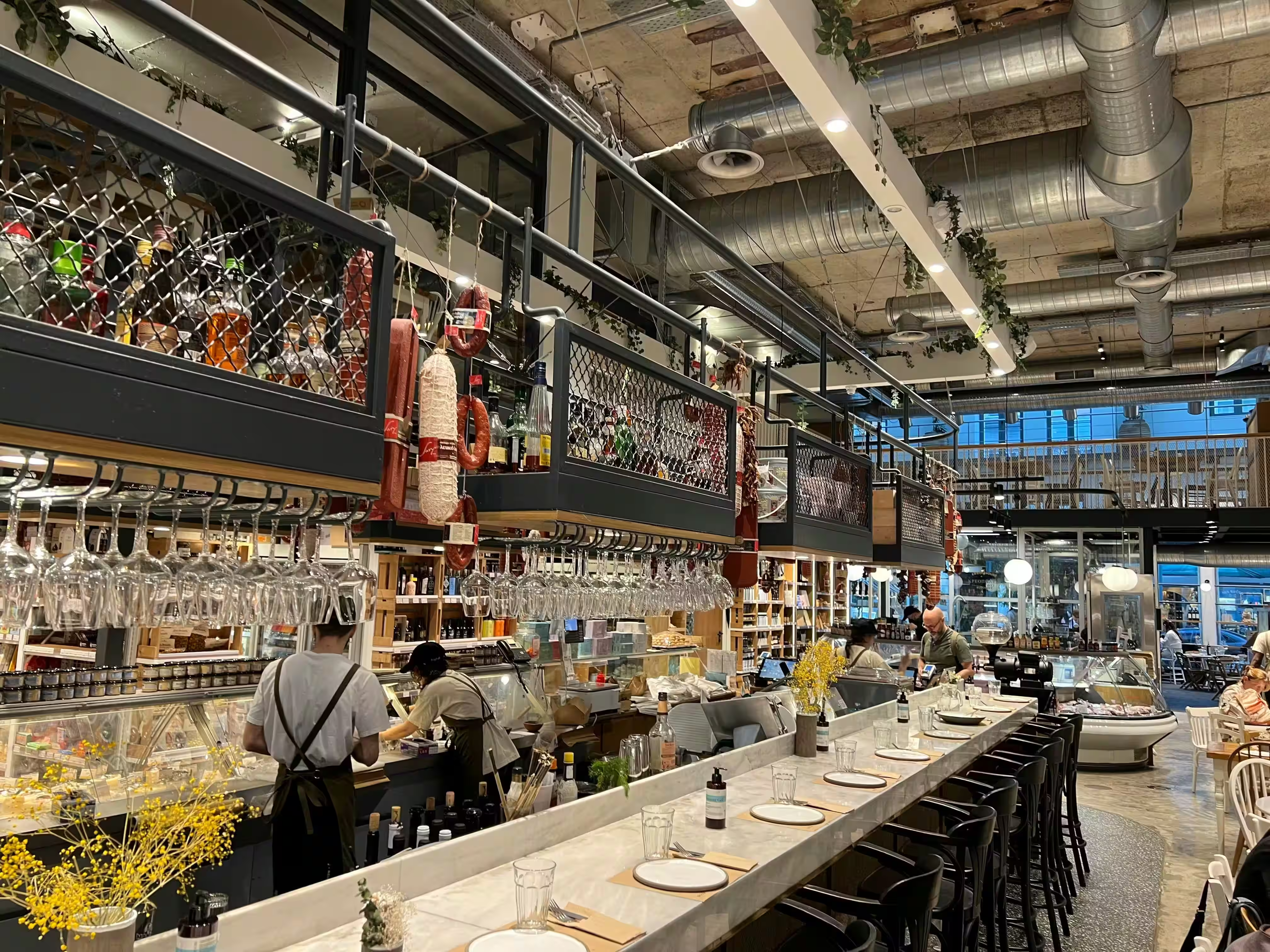
Building a regional development project that truly integrates dining requires a multi-stage approach. First, an assessment of the local area and existing habits, to avoid imposing a standardized offering on a territory that cannot support it. Next, a programming phase that coordinates different dining formats with one another, rather than treating them separately. Finally, selecting operators capable of delivering on the venue's promise over the long term, rather than simply filling available space.
Key takeaways for your regional development project
Dining should no longer be an afterthought in a regional development project, but one of its pillars, just like housing or mobility. Local authorities, property companies, and developers who integrate it from the start rather than at the end of the program reap direct benefits: higher footfall, greater coherence, and a territory that truly makes people want to stop and stay.
Are you leading a regional development project and looking to integrate a coherent dining strategy? Contact us.
Frequently asked questions about dining and regional development projects